
[DRAFT] Perhaps YOU are the problem

You wake up one day and realize, you’ve identified as a good person all your life, but actually, YOU have been the cause of lot of evil. Either due to actions you’ve taken (like abusing your power) or actions not taken (like NOT seeking power when you were aware that those above you were incompetent, and needed you to tell them what to do1)
That’s the bad news. The good news is: being a source of evil in the world means that you have full control over reducing the amount of evil in the world! You just have to figure out what the right thing to do is, and choose to do it.
I tweeted a screenshot of this interaction the other day with some commentary, and it blew up a lot more than I expected. I think it’s because it’s telling this story I describe of: “oops, what if I was the bad guy all along?”
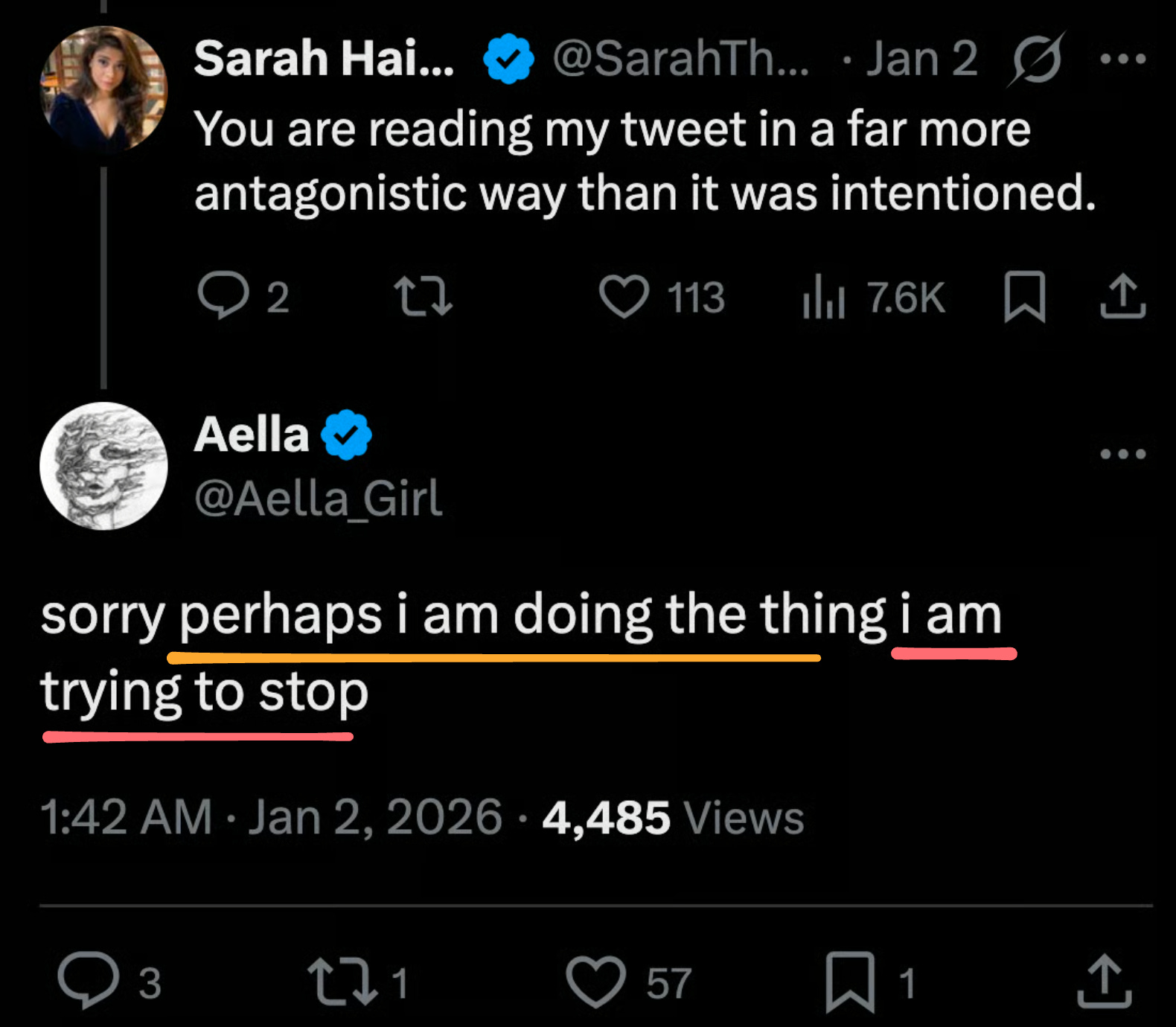
The “thing I am trying to stop” that Aella is referring to is people reading her words in bad faith, and then attacking her for things she didn’t mean (my commentary was about how this is 90% of internet arguments). Since this screenshot doesn’t tell you what the context is, I think a lot of people read more into it - like maybe it’s her realizing the error of her ways and admitting that she is a bad person (which everyone who hates her would love to see).
The truth is that high status people2 like Aella, are trying to be good people, like all of us. They want someone to tell them if they are doing something evil, and they will change their behavior once they figure out what it is they’ve been doing that is evil. Just like you would.
But high status people live in a bubble. Many of them were “plucked” into it (in a kind of “overnight success” kind of way). They would change their behavior if someone explained it, but they can’t tell who is giving them honest advice, and who is just after their power & resources.
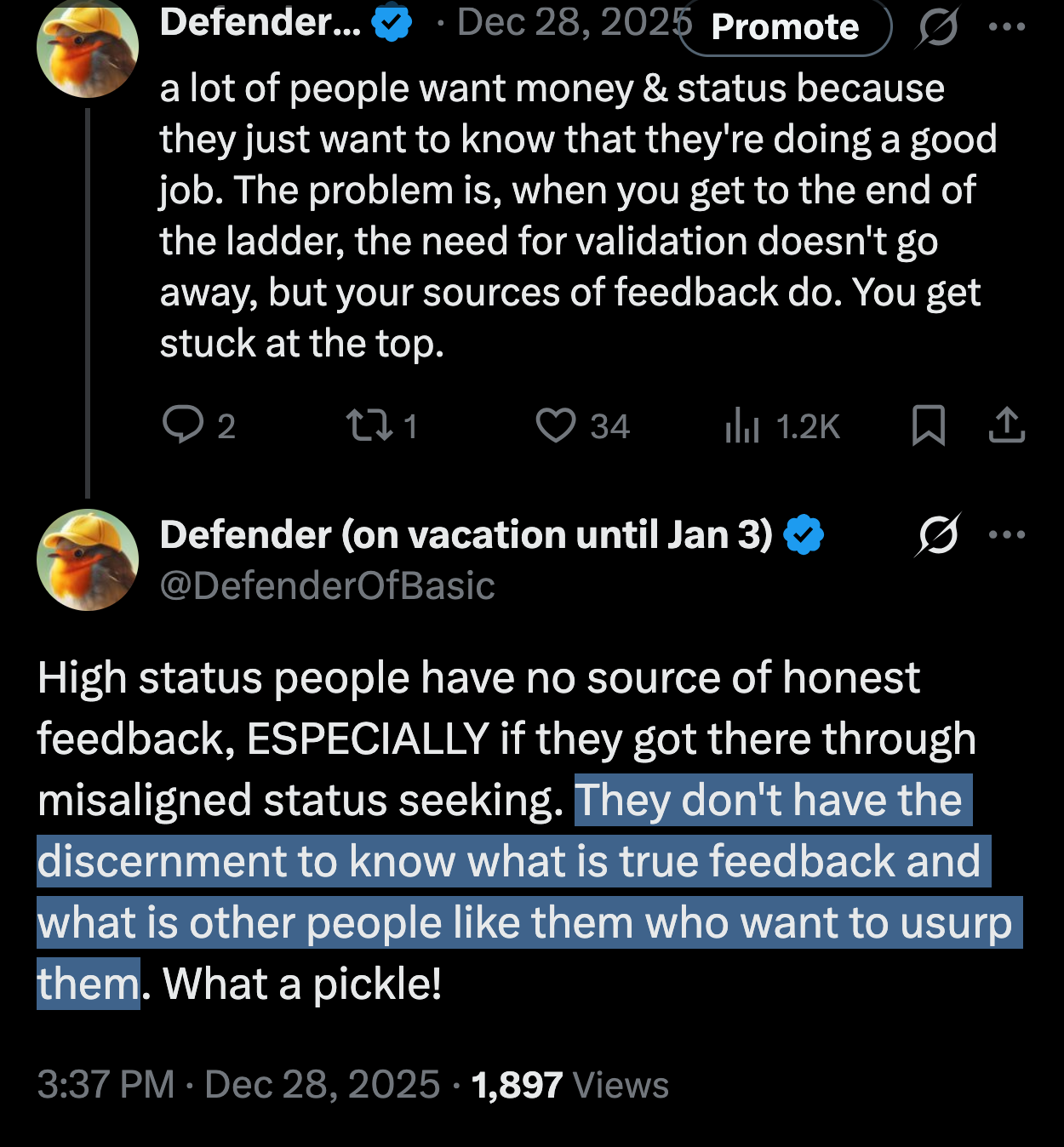
On the outside of their bubble is our bubble. For us low status/responsibility people, the people up there are abstract - they’re not real people. We don’t expect them to read what we write, or respond, or change their behavior, or be our friends. We freak out when they make contact. We vent our frustration at them, and we don’t think they deserve any sympathy. Because, after all, they have all the power, and we don’t.
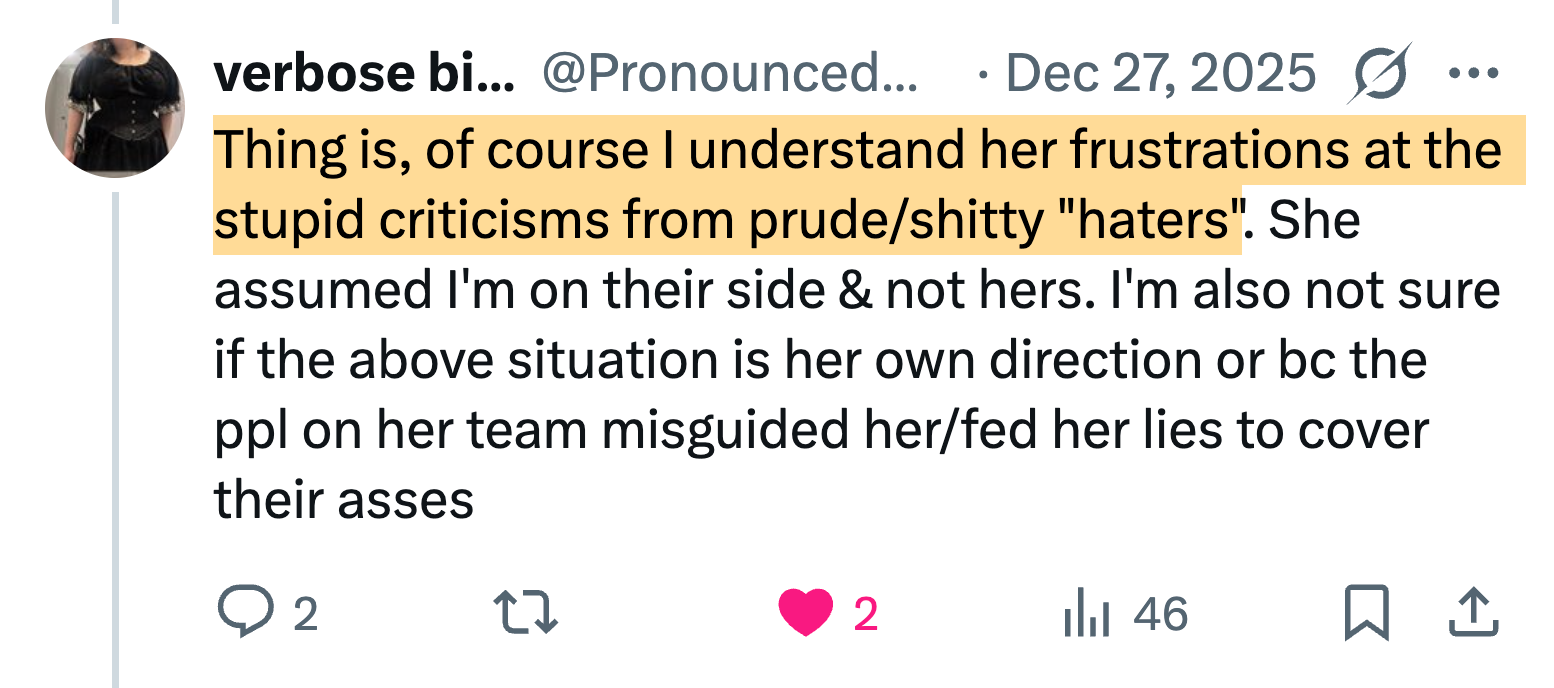
But in doing so, we make things worse. We make it even harder for them than it already is to find the honest feedback. We are the problem. Or, at least, we are making an intentional choice to make it harder for those who are trying to solve this.
I get a lot of pushback when I say “people change their minds ALL the time, you just need to explain to them what they’re doing wrong and they will listen”, but there’s evidence of this everywhere you look. Yishan (reddit CEO 2012-2014) isn’t convinced. He looked at my Anatomy of an Internet Argument pitch and said:
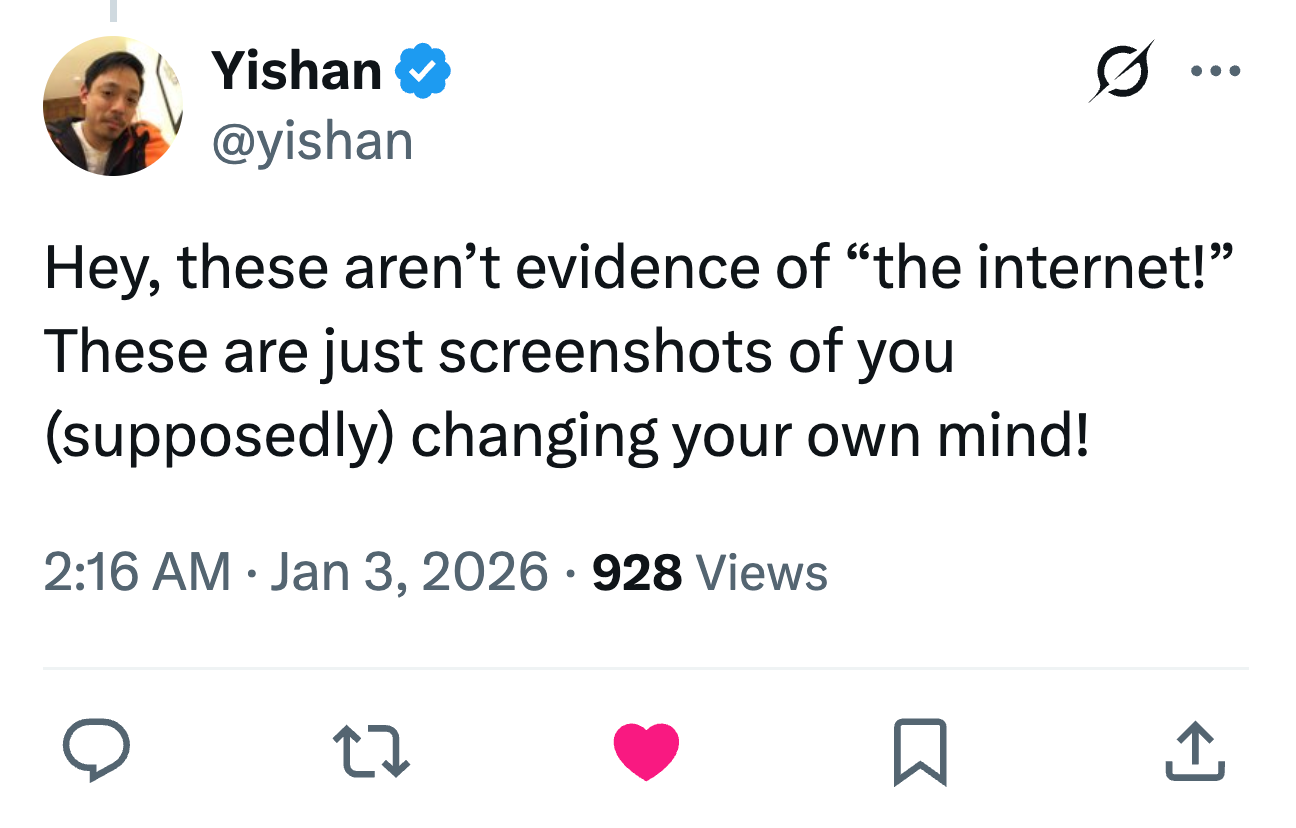
But this rebuttal is silly because: I am a real human being who has changed my mind as a direct result of things that I’ve read & people that I’ve argued with on the internet. The proof that I am providing here is the highest standard of proof possible: firsthand knowledge.
You too have access to this proof. You too have changed your mind & worldview many times in your life. You can trace exactly what triggered your belief change. You are reasonable, and you change your mind once you learn a new truth.
Everyone can relate to this. So why does this myth that “no one changes their mind, it’s not worth arguing on the internet/about politics” persist?
The answer is really simple: think about a time when you changed your mind, did you go back and tell the person that triggered this belief change?
In the vast majority of cases, the answer is no. We are rarely aware of exactly what triggers the change, but even when we are, we rarely go back & tell the person.
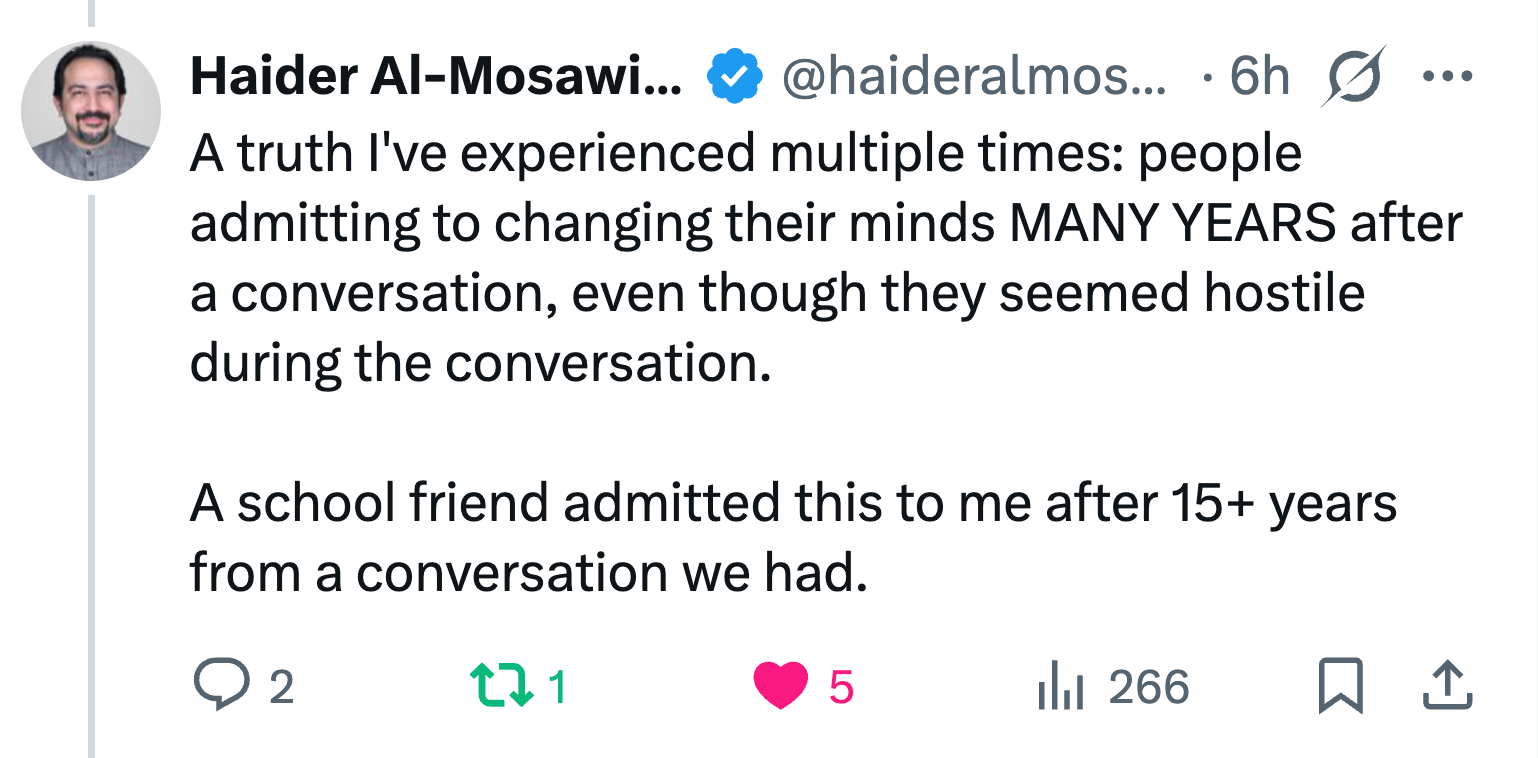
The truth is that it is really hard for others to change YOUR mind. You are stubborn. But you have full control over this. You CAN make it easier to change your mind. If you think that would make the world better, you should do it.
Now, if you do it, and you realize this made your life worse, well, now you have your answer! You’ve been wishing it was easier to change other people’s minds, but you’re potentially wishing for something that will make their lives worse. You are causing evil, and you aren’t aware of it.
TODO: how do we end this?
I think I want to convince the reader that this whole “internet arguments suck” thing is YOUR fault, and your responsibility, and that this is GOOD NEWS, because you can make a difference here. Any internet stranger you talk to will default assume that you are an idiot, and you’re trying to attack them, no matter how kind & patient your first interaction is, because every other interaction they’ve had has been negative. If you give them ONE positive interaction, it changes the trajectory of all their future interactions, because they start to think maybe they’re not all negative. They start to try again. We shortcircuit this downward spiral & convert it into an upward one.
I’m not asking you to pretend to agree with people, I’m asking you to figure out why they’re saying what they’re saying. I don’t care if they’re saying the dumbest thing you’ve ever heard, figure out why they’re saying it. They are a puzzle. And if you are as smart as you think you are, then you should be able to figure it out.
We can turn this culture war into culture science.
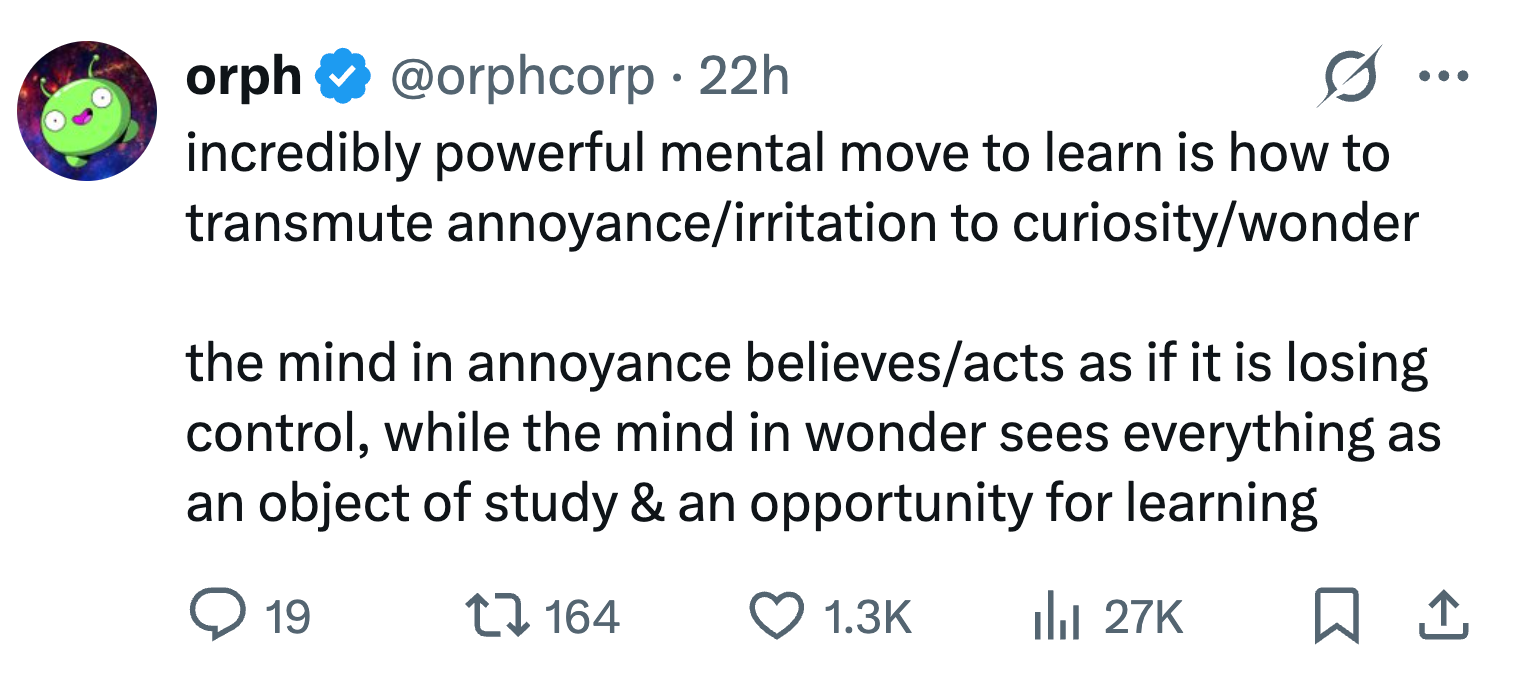
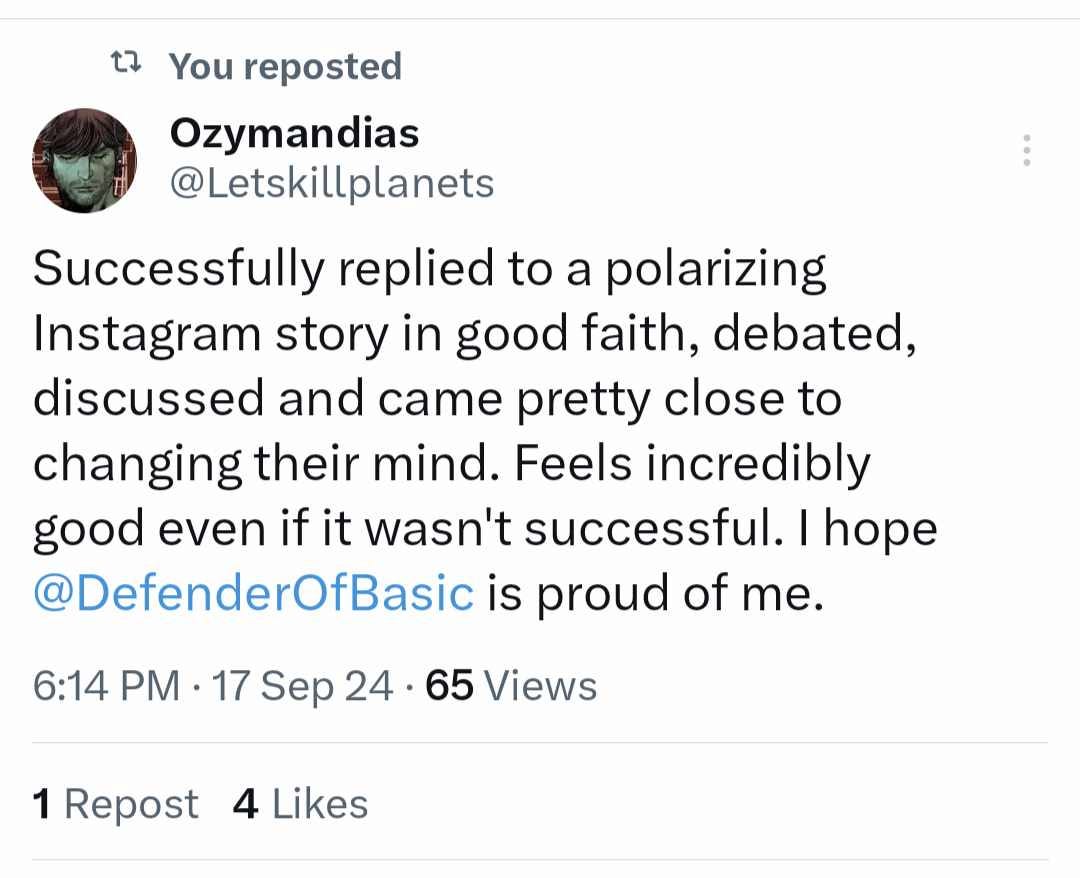
If you get stuck trying to solve one of these puzzles, @ me on twitter or substack and we can analyze it together (my rule when writing these “internet argument analysis case studies” is to focus on what you did wrong, not finding fault in the other guy. We’re looking for faults in our selves because we can fix them).
Other things I want to mention but may not fit:
At the airport today, I saw this book “Argue Less, Talk More” about how to have better arguments! I skimmed it, it seems to really be the book I wanted to write.
And now I’m thinking, as I wrote in Perils of Prosocial Marketing, do I market this guy’s book to help it spread further, or do I write my own version?
This is reminding me of the very first “hyperstition book” I started in August 2024, where instead of writing it I just describe the outline, and I either find the pieces, or someone feels inspired to do it. And we keep building on these pieces to all tell a grand story, together
When I say “high status” I mean “high responsibility”. You are high status to the degree that you can allocate resources. The more resources you can move, the more “weight” your decisions have, which means you have more responsibility. These “resources” can be capital, or attention.
I like this framing of improving the commons of the internet and pointing to when something changes our mind. Initial rejection to ideas and changes is very ego-driven but most times I notice ideas that I have initially rejected would seep back in my consciousness and pop up times later. So now I read ideas like these and let them gestate.
Also important to point out rage porn satisfaction out of engaging with someone that seems stupid online, the satisfaction of winning an online battle and then how can we shift the model for the higher satisfaction that of a good human internet argument.
Once again lovely article my friend
Fantastic article defender, even if it is a draft.
Pray for those who need it to get power quickly. The world cannot afford to lose them